
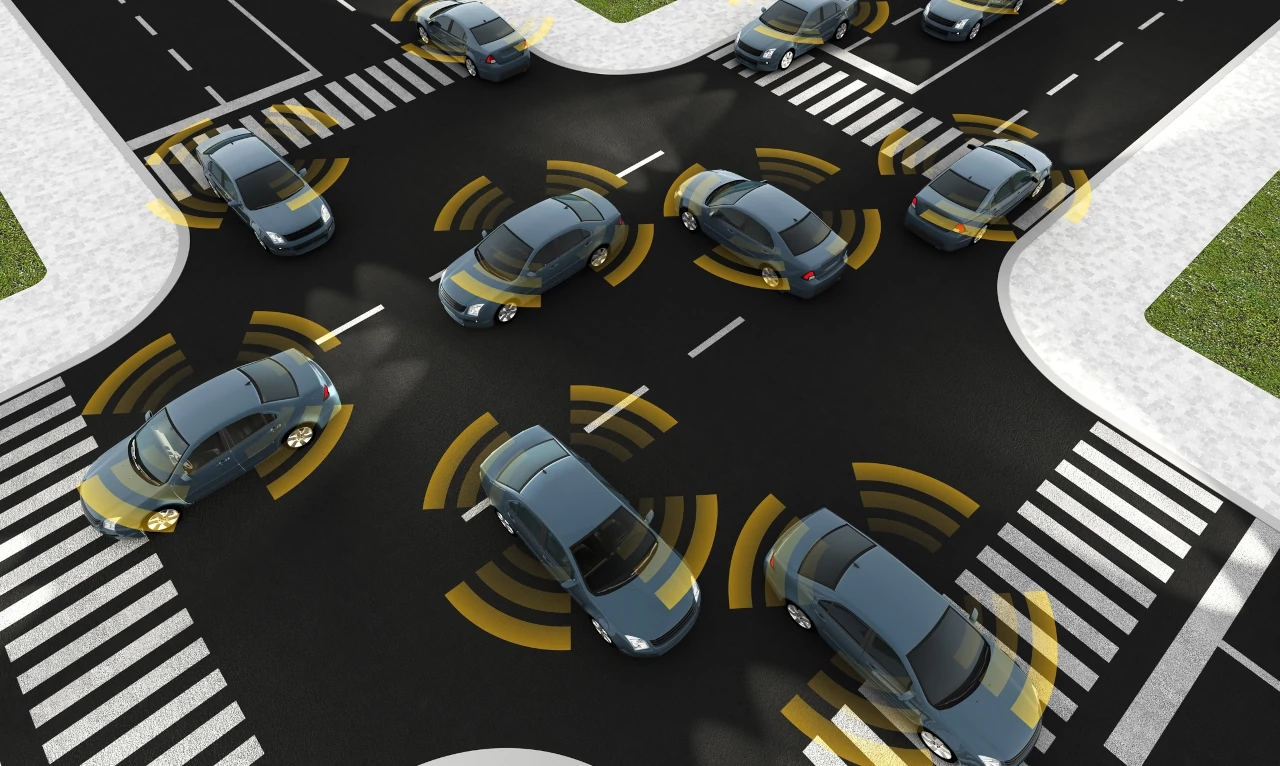
Modern vehicles don’t just drive — they think, observe, and react. Cameras watch the road ahead. Radar tracks distance and speed. Sensors tucked into bumpers and mirrors quietly monitor everything around you.
These systems are designed to make driving safer, smoother, and more forgiving. But here’s the part most drivers don’t realize:
After even a minor collision, those systems can be slightly off — and you may never know it.
No warning lights. No obvious malfunctions. Just technology that’s no longer as accurate as it should be.
Let’s take a closer look at how small accidents can quietly affect Advanced Driver Assistance Systems (ADAS), why recalibration matters, and what every vehicle owner should understand after a collision.
What Are ADAS Systems, Really?
ADAS stands for Advanced Driver Assistance Systems, but that term can feel abstract until you break it down.
In simple terms, ADAS includes the features in your vehicle that help you avoid accidents or reduce their severity. Most drivers interact with these systems every day, often without thinking about them.
Common ADAS features include:
- Forward collision warning
- Automatic emergency braking
- Lane departure warning and lane-keeping assist
- Blind spot monitoring
- Adaptive cruise control
- Parking sensors and backup cameras
- 360-degree camera systems
These technologies rely on precise sensor readings to function properly. They don’t just detect objects — they calculate distance, speed, angles, and movement in real time.
When everything is aligned correctly, they’re incredibly effective. When they’re not, the system may still operate — just not accurately.
Where These Sensors Are Actually Located
One of the biggest misconceptions about ADAS is that the sensors are buried deep inside the vehicle, protected from everyday damage. In reality, many are placed in some of the most vulnerable areas of the vehicle.
Common sensor locations include:
- Front bumpers (radar and ultrasonic sensors)
- Windshields (forward-facing cameras)
- Side mirrors (blind spot sensors and cameras)
- Rear bumpers (parking sensors and cross-traffic alerts)
- Grilles and emblems (adaptive cruise control radar units)
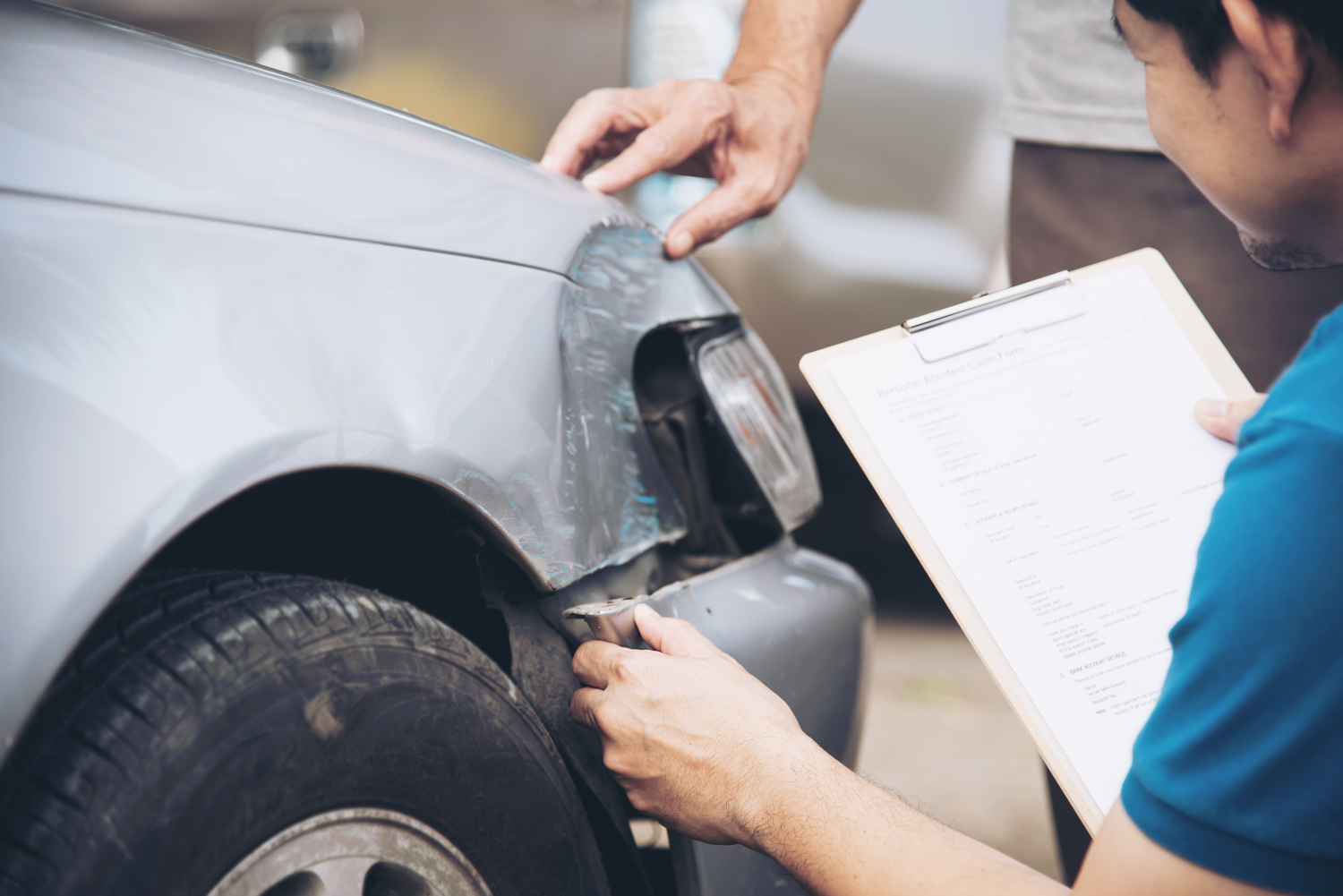
These areas are also the first points of contact in low-speed accidents — parking lot bumps, minor rear-end collisions, curb strikes, or light fender benders.
The key issue isn’t whether a sensor is visibly broken. It’s whether its position, angle, or alignment has changed — even slightly.
How Minor Collisions Throw ADAS Systems Off
This is where things get interesting.
Millimeters Matter More Than You Think
ADAS sensors are calibrated to incredibly tight tolerances. In many cases, a change of just a few millimeters or a fraction of a degree can alter how the system reads the environment.
A bumper that shifts slightly inward.
A windshield replaced without recalibration.
A bracket bent just enough to change sensor angle.
None of these may trigger a warning light — but they can affect accuracy.
Shock and Vibration Effects
Even if there’s no visible damage, the force of an impact travels through the vehicle. That shock can affect sensor mounts, brackets, and internal components.
Think of it like a camera on a tripod. The camera still works after a bump — but if the tripod tilts slightly, the picture changes.
Cosmetic Repairs Aren’t the Whole Story
Replacing a bumper cover or repainting a panel doesn’t automatically restore sensor accuracy. Paint thickness, filler materials, and aftermarket components can all interfere with sensor readings if calibration isn’t performed afterward.
A vehicle can look perfect — and still have systems that aren’t reading the road correctly.
Signs Your ADAS System May Be Out of Calibration
One of the most concerning aspects of ADAS issues is that they aren’t always obvious.
That said, some warning signs can include:
- Lane assist drifting or overcorrecting
- Blind spot alerts activating inconsistently
- Parking sensors triggering too early or too late
- Adaptive cruise control feeling less smooth
- Random or false collision warnings
What’s important to understand is this:
The absence of warning lights does not guarantee accuracy.
Many ADAS issues fall within a “gray zone” — functional enough to operate, but inaccurate enough to compromise safety.
What ADAS Calibration Actually Is (and Isn’t)
ADAS calibration isn’t a software reset or a quick scan. It’s a precise process designed to realign sensors so they interpret the road exactly as the manufacturer intended.
There are two primary types of calibration:
Static Calibration
This is performed in a controlled environment using manufacturer-specified targets, measurements, and positioning. The vehicle must be perfectly level, at specific distances, under controlled lighting conditions.
Dynamic Calibration
This involves driving the vehicle under specific conditions so the system can recalibrate using real-world data.
Many vehicles require both, depending on the repair.
What calibration is not:
- A dashboard reset
- A quick plug-in scan
- A “we’ll know if something’s wrong” check
Proper calibration requires specialized equipment, training, and a controlled process.
Why Skipping Calibration Is a Safety Risk
ADAS systems don’t replace drivers — they assist them. But when drivers trust these systems, accuracy matters.
An improperly calibrated system can:
- Delay automatic braking
- Misjudge distance or speed
- Fail to warn about lane departure
- Miss vehicles in blind spots
In some cases, incorrect calibration can be worse than no system at all, because it creates a false sense of security.
That’s why vehicle manufacturers specify calibration after certain repairs — even if the damage appears minor.
Insurance Estimates and ADAS: Where Gaps Often Happen
Insurance estimates are typically written based on visible damage, not the invisible systems behind it.
ADAS calibration is often added later as a supplement once repairs begin and scanning reveals the need for recalibration.
Common assumptions that cause issues:
- “It was just a small hit.”
- “No warning lights came on.”
- “The sensor wasn’t replaced.”
None of these automatically mean calibration isn’t required.
A quality repair process looks beyond cosmetics and focuses on restoring the vehicle’s full safety system.
How Professional Collision Repair Shops Handle ADAS Properly
Repairing modern vehicles is about more than straightening metal and matching paint.
A professional approach includes:
- Pre-repair scanning to identify affected systems
- Following manufacturer repair procedures
- Post-repair scanning and calibration
- Verification that systems are operating correctly
- Documentation of completed calibrations
This process ensures that the vehicle isn’t just repaired — it’s returned to safe, factory-intended operation.
What Vehicle Owners Should Ask After an Accident
You don’t need to be an expert to protect yourself. Asking the right questions goes a long way.
Consider asking:
- Were ADAS systems scanned before and after repairs?
- Did my vehicle require calibration?
- Will calibration be documented?
- Are repairs being completed according to manufacturer guidelines?
A reputable shop won’t be bothered by these questions — they’ll welcome them.
The Bottom Line: Technology Only Works If It’s Accurate
ADAS technology has transformed vehicle safety. But like any advanced system, it only works when everything is aligned correctly.
Minor collisions can quietly affect sensors in ways you can’t see — and sometimes can’t feel — until it matters most.
That’s why proper evaluation and calibration after an accident isn’t an upsell or an extra. It’s part of restoring your vehicle’s safety, reliability, and peace of mind.
KEY TAKEAWAYS
- ADAS sensors can be affected without visible damage. Even low-speed impacts can shift cameras or radar by millimeters—enough to reduce accuracy without triggering warning lights.
- “Working” doesn’t always mean “accurate.” Many driver-assist systems continue to function after a collision but may provide delayed or incorrect warnings if calibration is off.
- Sensor location makes minor accidents a big deal. Bumpers, windshields, mirrors, and grilles house critical sensors that are vulnerable in parking lot and fender-bender collisions.
- Proper ADAS calibration isn’t a simple reset. Accurate recalibration requires specialized equipment, controlled conditions, and manufacturer-specific procedures.
- Post-repair scanning and calibration protect safety. Verifying ADAS accuracy after repairs helps ensure your vehicle’s safety systems respond correctly when you need them most.
Final Thought & Call to Action
If your vehicle has been involved in any type of collision — even one that seems minor — it’s worth having it evaluated by professionals who understand modern vehicle technology.
At AutoBody by Fisher, repairs go beyond surface-level fixes. The goal is to restore your vehicle the right way — including the safety systems you rely on every day.
Because when it comes to advanced technology, close enough isn’t good enough.