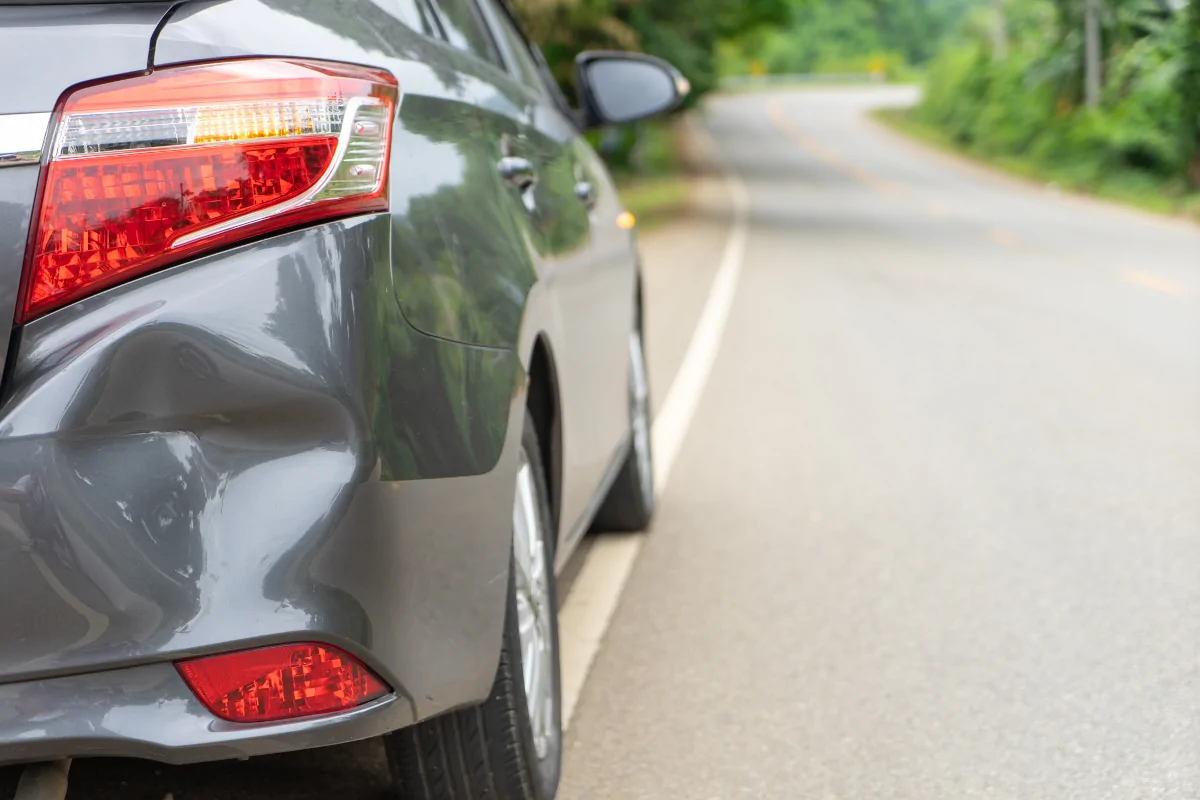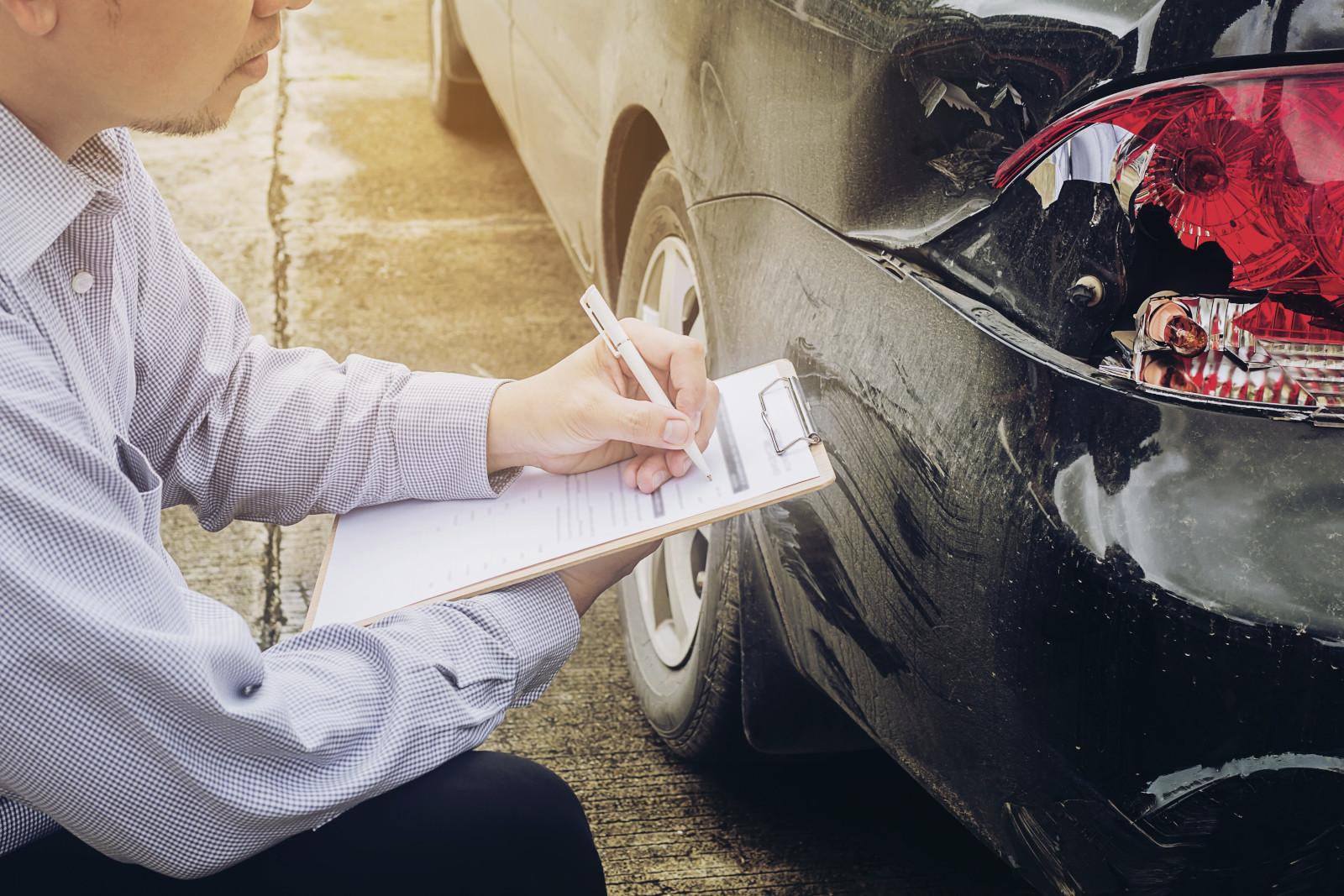

When a vehicle is damaged in an accident, most people just want it “back to normal.” Doors open and close. The bumper looks straight. The paint shines again. On the surface, everything seems fine.
But long after the repair is done—and long after the accident fades from memory—the quality of that repair can quietly affect how much your vehicle is worth.
Resale value isn’t just about mileage and model year. It’s also about how well a vehicle was repaired when something went wrong. And the difference between a rushed repair and a proper one often doesn’t show up until years later, when it’s time to sell, trade in, or upgrade.
What Really Determines a Vehicle’s Resale Value After an Accident
Most drivers know that an accident can appear on a vehicle history report. What many don’t realize is that the presence of an accident doesn’t automatically kill resale value. How the vehicle was repaired matters just as much—sometimes more.
When a vehicle is evaluated by a buyer, dealership, or appraiser, several things are considered:
- Overall appearance and finish quality
- Consistency of body panels and paint
- Signs of structural repair or misalignment
- How well the vehicle drives and sounds
- Documentation of repairs
Even if an accident is disclosed, a vehicle that looks, drives, and presents well can retain significantly more value than one with visible or subtle repair issues. Quality repair doesn’t erase the past—but it can minimize its impact.
Why Paint Quality Is One of the First Things Buyers Notice
Paint is one of the most immediate signals of repair quality.
A trained eye—and often an untrained one—can spot paint issues quickly. Mismatched color, inconsistent texture, or uneven gloss often raise questions before anyone checks a vehicle history report.
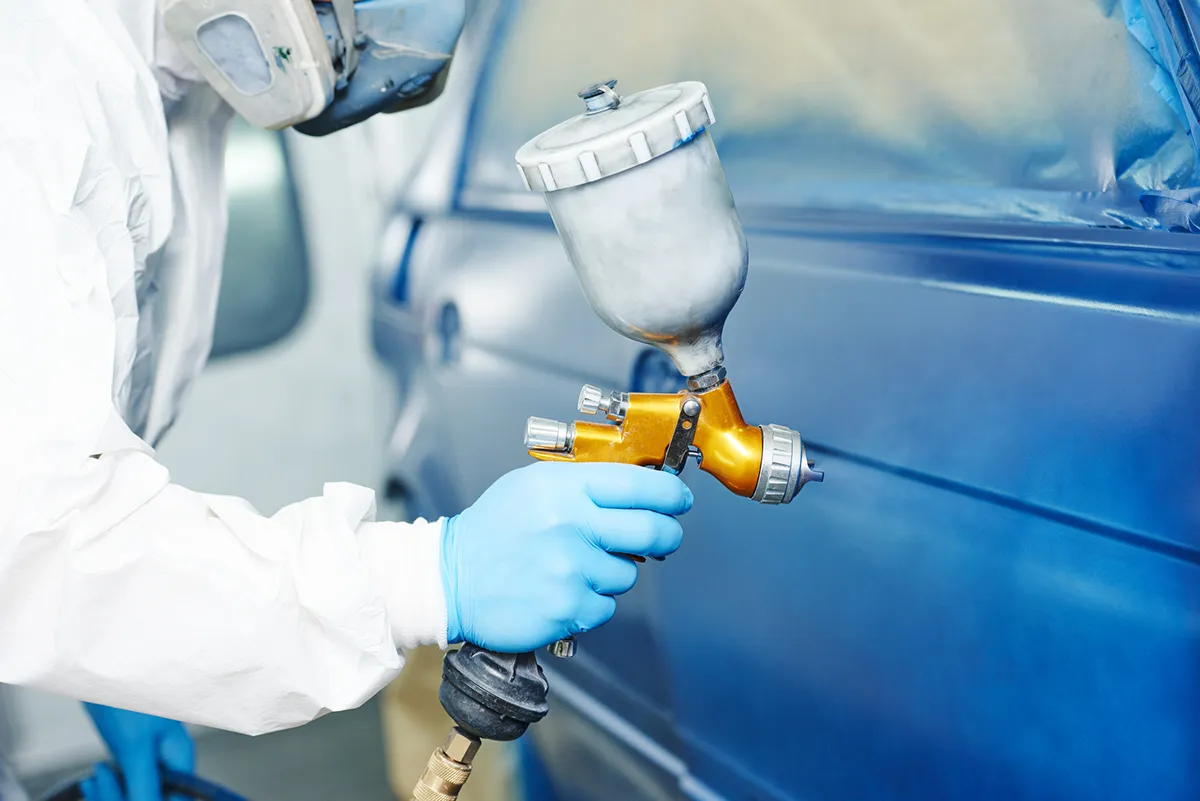
Proper paint work involves more than spraying a panel and calling it done. It requires:
- Accurate color matching
- Proper blending into adjacent panels
- Consistent clear coat application
- Attention to texture and finish
Poor paint work may still look “good enough” from a distance, but under certain lighting or angles, inconsistencies become obvious. Buyers notice. Appraisers notice. Dealerships absolutely notice.
That’s why close-up finish quality matters. It’s not about vanity—it’s about confidence. A vehicle that looks uniform and professionally finished suggests the rest of the repair was handled with the same care.
Panel Fit, Gaps, and Alignment: The Details That Signal Quality
Even when paint looks acceptable, panel alignment tells a deeper story.
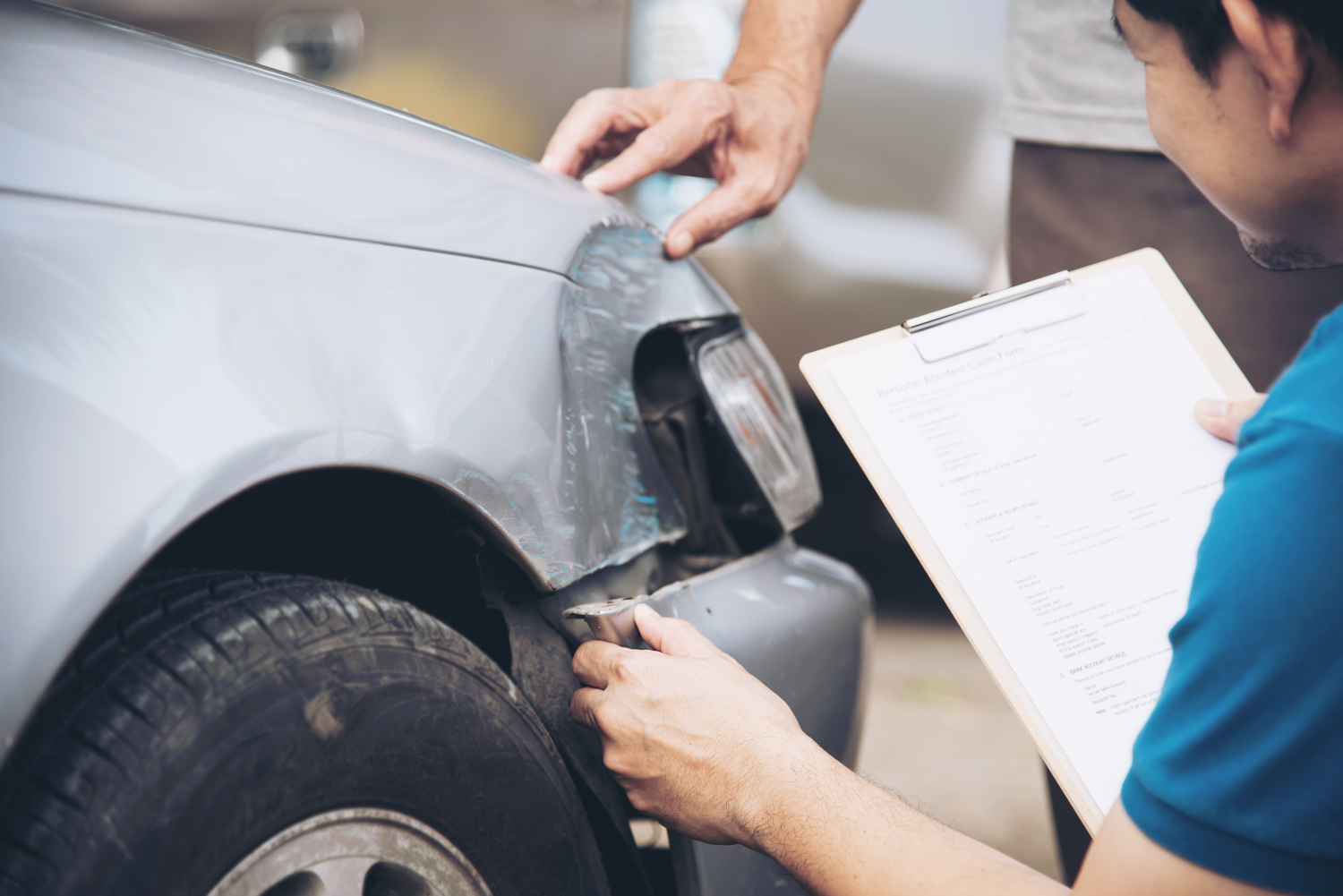
Modern vehicles are engineered with precise tolerances. Doors, hoods, bumpers, and fenders are designed to sit in very specific positions. When those gaps are uneven or panels don’t align correctly, it can indicate rushed or incomplete repairs.
Common signs of poor alignment include:
- Uneven gaps between panels
- Panels that sit slightly higher or lower than others
- Doors or hoods that require extra force to close
- Wind noise or water leaks that weren’t present before
These issues may not prevent a vehicle from being driven, but they do affect how it’s perceived—and perception plays a major role in resale value.
Structural Repairs and Safety Systems Matter More Than You Think
Today’s vehicles are far more complex than they were even a decade ago. Beneath the paint and panels are carefully engineered structures designed to manage impact forces and protect occupants.
When a collision affects structural components, precision matters.
Proper structural repairs help ensure:
- The vehicle absorbs impact energy as designed
- Safety systems function correctly
- Sensors and driver-assist features operate as intended
- The vehicle maintains long-term integrity
A vehicle can drive straight and still have underlying issues if repairs weren’t completed properly. And while warning lights may not appear immediately, experienced buyers and dealerships factor the possibility of future issues into their offers.
“No lights on the dash” isn’t the same as “repaired to standard.”
Shortcuts vs. Standards: Where Value Is Often Lost
Not all repairs are handled the same way. Sometimes, shortcuts are taken to save time or reduce cost—and while those decisions might not be obvious right away, they can quietly reduce a vehicle’s value.
Common shortcuts include:
- Skipping proper blending during paint work
- Minimal surface preparation before painting
- Cosmetic fixes instead of full repairs
- Rushed reassembly without precise alignment
These choices don’t always cause immediate problems. But over time, they can lead to visible wear, peeling, mismatched finishes, or questions during inspection.
Standards exist for a reason. Following them takes more time and attention—but it helps preserve value.
Why Not All Body Shops Protect Resale Value the Same Way
Every shop can make a vehicle look better. Not every shop approaches repairs with long-term value in mind.
Differences often come down to philosophy:
- Speed versus precision
- Volume versus craftsmanship
- Minimal explanation versus clear communication
Shops that focus on doing the repair correctly—not just quickly—tend to produce results that hold up over time. That includes proper documentation, thoughtful repair planning, and communication throughout the process.
Those details may not feel urgent when you just want your vehicle back. But they matter later.
When It’s Worth Traveling for the Right Repair
For many drivers, convenience is the first factor when choosing a repair shop. But after an accident, convenience isn’t always the smartest long-term choice.
That’s why some drivers are willing to travel a short distance for a shop they trust—especially when the repair affects appearance, safety, and future value.
Choosing quality over proximity can mean:
- Fewer issues later
- Greater confidence when selling or trading in
- Better documentation of repairs
- Peace of mind knowing the job was handled properly
For drivers across North Texas, that mindset often leads them to a repair decision based on workmanship rather than distance.
How to Protect Your Vehicle’s Value After an Accident
If resale value matters to you—even years down the road—there are a few smart questions to ask after an accident:
- How will paint matching and blending be handled?
- Will repair documentation be provided?
- How are structural repairs verified?
- Will the repair process be explained clearly?
A shop that takes the time to answer these questions openly is more likely to take the same care with the repair itself.
KEY TAKEAWAYS
- Repair quality directly impacts resale value. Even when an accident is disclosed, buyers and dealerships closely evaluate paint finish, panel alignment, and overall workmanship when determining a vehicle’s worth.
- Paint quality is one of the first things buyers notice. Mismatched color, inconsistent texture, or poor blending can signal rushed repairs and raise red flags during inspections.
- Panel fit and alignment reveal how carefully a vehicle was repaired. Uneven gaps, misaligned panels, and subtle fit issues often point to shortcuts that can lower resale value.
- Structural and safety-related repairs affect long-term value. Proper structural repairs help preserve crash performance, safety systems, and buyer confidence—even if problems aren’t immediately visible.
- Choosing quality over convenience can pay off later. A well-documented, properly repaired vehicle is more likely to retain value when it’s time to sell or trade in.
Quality Repairs Pay Off Long After the Accident
Collision repair isn’t just about restoring appearance. It’s about preserving what your vehicle is worth—today and in the future.
A quality repair may take more time. It may require more attention to detail. But when it comes time to sell, trade, or pass a vehicle on, those decisions often pay off.
Because while accidents happen, value doesn’t have to disappear with them.