

You probably see your vehicle every day—walking to it in the morning, loading groceries, heading home after a long day.
But here’s the thing…
Most people look at their vehicle without ever really seeing it.
And that’s exactly how small, inexpensive issues quietly turn into repairs that cost hundreds—or even thousands—of dollars.
The good news?
It doesn’t take a mechanic, special tools, or even much time.
Just five minutes. A quick walkaround. And knowing what to look for.
The Habit Almost No One Has
Most drivers don’t think about their vehicle until something feels off.
A noise. A warning light. A dent that suddenly “appeared.”
But by the time something becomes noticeable, it’s often already progressed.
What many people don’t realize is that:
- Minor damage rarely stays minor
- Small issues tend to spread
- Early fixes are almost always simpler (and cheaper)
A quick walkaround once a week—or even every couple of days—can help you catch problems early, when they’re still easy to deal with.
1. The Tire Check That Prevents Bigger Problems
Let’s start at ground level.
Your tires can tell you a lot—if you take a second to look.
What to check:
- Uneven tread wear
- Low tire pressure
- Cracks or bulges in the sidewall
These might seem minor, but they can point to:
- Alignment issues
- Suspension problems
- Increased risk of blowouts
And here’s the part most people miss—uneven wear can also be a sign that something else is off with your vehicle after even a small impact.
Catching it early can prevent:
- Premature tire replacement
- Steering issues
- Additional wear on other components
2. Tiny Dents and Dings You Shouldn’t Ignore
It’s easy to shrug off a small dent.
A shopping cart. A door ding. A tight parking spot.
“No big deal,” right?
Not always.
Even minor dents can:
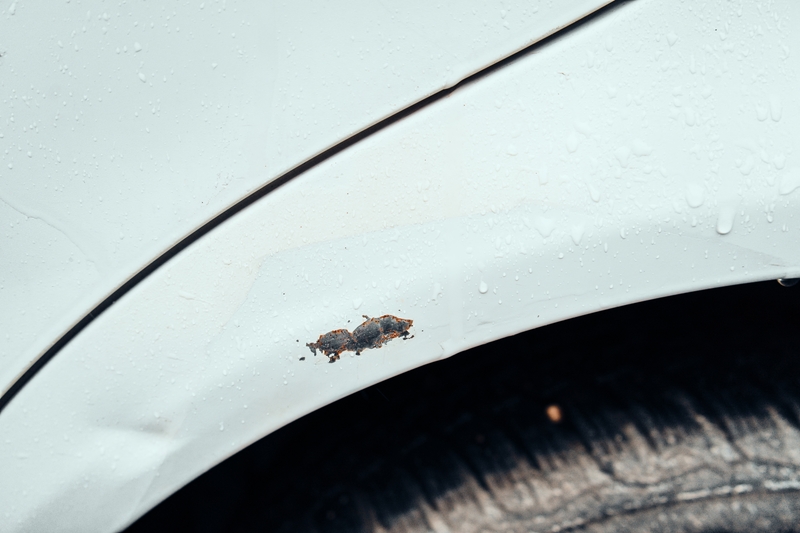
- Crack or weaken the paint
- Expose metal underneath
- Lead to rust over time
And once rust starts, it doesn’t stay contained—it spreads.
The good news is that small dents are often the easiest to fix when addressed early. Techniques like paintless dent repair are designed specifically for this stage—before damage becomes more complicated.
Waiting, on the other hand, can turn a simple fix into something that requires more extensive repair work.
3. Paint Damage That Spreads Faster Than You Think
Paint isn’t just about appearance—it’s your vehicle’s first line of defense.
When you notice:
- Small chips
- Light scratches
- Fading or peeling
…it’s tempting to ignore them.
But paint damage can quickly lead to:
- Oxidation
- Rust
- Clear coat failure
Think of it like a small crack in a windshield—left alone, it rarely stays small.
Catching paint issues early can often mean a much simpler repair instead of a full paint refinishing job later.
4. Lights, Sensors, and the “Hidden Tech” Most Drivers Forget
Modern vehicles are packed with technology:
- Backup cameras
- Parking sensors
- Lane assist systems
- Collision avoidance features
The tricky part?
These systems don’t always fail dramatically. Sometimes they’re just… slightly off.
A minor bump—something you barely noticed—can:
- Misalign a sensor
- Affect calibration
- Reduce accuracy
And because everything still “works,” it’s easy to miss.
During your walkaround, take a quick look at:
- Sensor areas in bumpers
- Camera lenses
- Any warning messages on startup
If something seems off, it’s worth checking before it becomes a safety issue.
5. Bumper and Panel Alignment (The Subtle Red Flags)
This is one of the most overlooked signs of hidden damage.
Take a look at:
- Gaps between panels
- Slightly uneven bumpers
- Areas that don’t sit quite flush
These small inconsistencies can indicate:
- Previous impact
- Loose mounting points
- Underlying structural issues
Even a low-speed incident can shift things just enough to create long-term problems if left unaddressed.
It’s not about being overly cautious—it’s about catching early signs before they escalate.
6. When to Take Action (and When You Can Wait)
Not every issue needs immediate repair.
But here’s a simple way to think about it:
Keep an eye on it if:
- It’s purely cosmetic and hasn’t exposed metal
- It hasn’t changed over time
Take action sooner if:
- You see exposed metal or rust
- Damage is spreading
- Something feels different while driving
- Sensors or lights aren’t functioning properly
The key is awareness.
The sooner you understand what you’re looking at, the better decisions you can make.
7. A Simple 5-Minute Routine Anyone Can Follow
You don’t need a checklist taped to your dashboard. Just a simple habit.
Next time you walk to your vehicle, take a minute to:
- Walk all the way around it
- Look at each tire
- Check for new dents or scratches
- Notice paint condition
- Glance at lights and sensors
That’s it.
No tools. No expertise required.
Just attention.
And over time, that attention can save you from bigger, more expensive surprises.
Final Thoughts: Small Details Matter More Than You Think
Most costly vehicle repairs don’t start as big problems.
They start small—easy to miss, easy to ignore.
A tiny dent. A paint chip. A slightly off panel.
But when you catch those things early, you stay in control:
- Lower repair costs
- Fewer surprises
- Better long-term condition for your vehicle
If you’ve noticed something that doesn’t look quite right—even if you’re not sure—it’s always worth getting a second opinion.
Because sometimes, the difference between a quick fix and a major repair…
…is just five minutes of paying attention.
KEY TAKEAWAYS
- Small issues rarely stay small. Minor dents, paint chips, and alignment issues can quickly turn into more expensive repairs if left unchecked.
- A quick walkaround can catch problems early. Taking just a few minutes to look over your vehicle regularly can help you spot damage before it worsens.
- Paint and body damage isn’t just cosmetic. Scratches and dents can expose metal, leading to rust, corrosion, and more extensive repairs over time.
- Modern vehicles hide damage better than ever. Sensors, cameras, and internal components can be affected by minor impacts—even when everything looks normal on the outside.
- Early action gives you more options. Addressing damage sooner often means simpler, faster, and more affordable repairs compared to waiting.
Sometimes it’s not about a major repair—it’s just about knowing whether something is worth worrying about. If you’ve spotted a dent, scratch, or anything that feels “off,” getting a second opinion can make all the difference. Stop by AutoBody by Fisher, and we’ll take a look with you—no pressure, just honest answers.