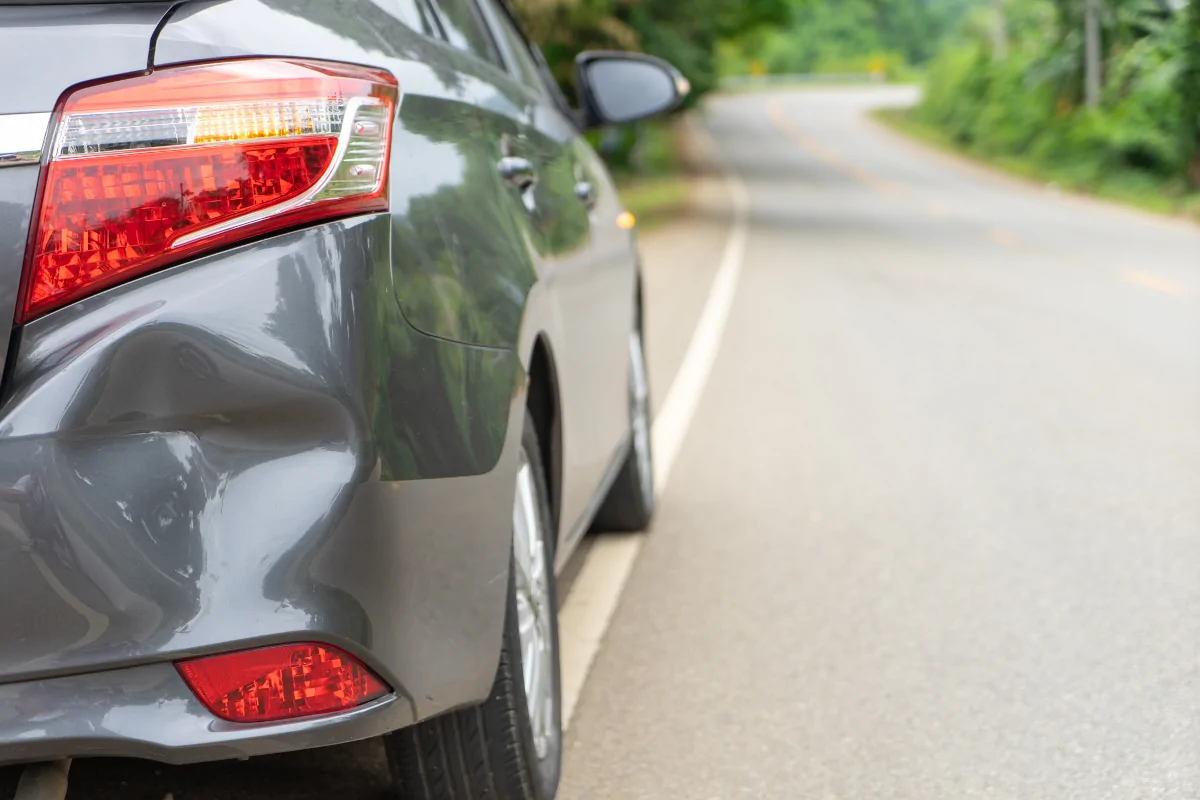

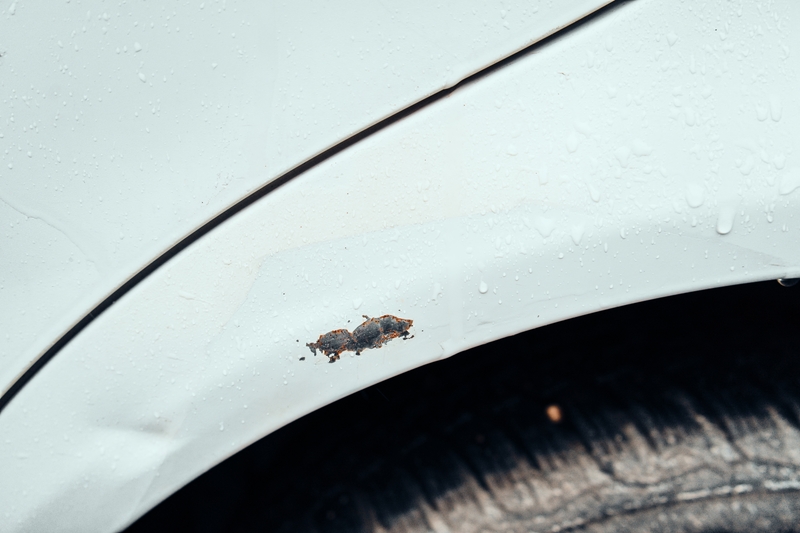
We’ve all been there. You walk out of a store, load up your bags, and then spot it: a small dent on the side of your vehicle. Maybe it came from a shopping cart, an opening car door, or a minor bump in a parking lot.
It is small. The vehicle still drives normally. So it is easy to think, “It’s probably just cosmetic.”
Sometimes that is exactly what it is. But not every dent tells the whole story from the outside.
A small ding with intact paint may be a good candidate for paintless dent repair. A dent with cracked paint may need traditional body and paint work. And when the dent was caused by a harder impact or collision, it may be worth checking for damage beyond the visible panel.
Why a Small Dent Deserves a Second Look
The size of a dent does not always tell you how simple the repair will be.
Several factors matter, including:
- How the dent happened
- Where it is located
- Whether the paint is chipped, cracked or scratched
- Whether the metal has been stretched or sharply creased
- Whether the affected area is near lights, cameras or sensors
- Whether the impact involved more than the exterior panel
A shallow door ding caused by another car door is very different from a dent caused by a low-speed collision. The visible damage may look similar, but the repair considerations can be different.
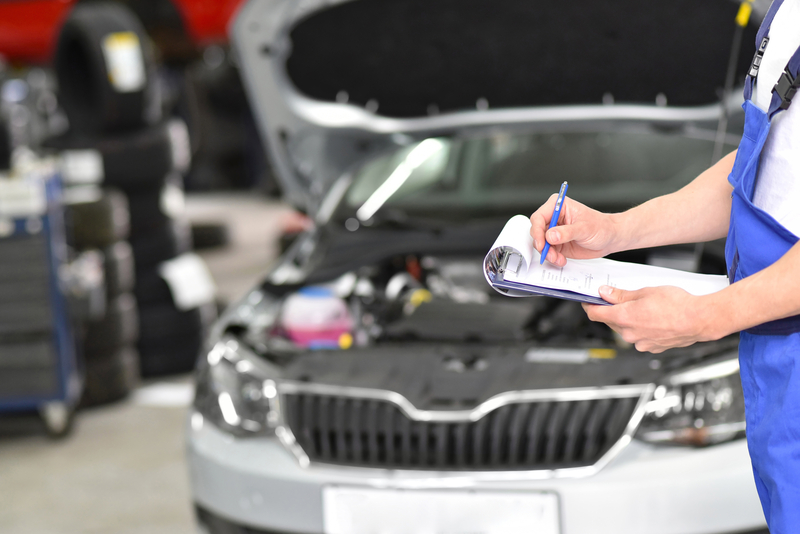
If the dent followed an accident or harder impact, the visible mark may not tell the whole story. A professional inspection can help determine whether the damage is limited to the exterior panel or whether other components need attention. Learn more about our
collision repair in Anna, TX
services.
When a Dent May Be Mostly Cosmetic
Many small dents really are limited to the exterior panel.
Examples can include:
- A small door ding with no paint damage
- A shallow dent from a shopping cart
- A minor hail dent
- A smooth indentation without sharp creases
When the original paint is still intact and the metal has not been severely stretched, paintless dent repair may be an option.
PDR works by carefully reshaping the damaged metal without sanding, body filler or repainting the affected area. When the damage qualifies, it can preserve the factory finish and may require less repair time than traditional body work.
Not every dent can be repaired this way, however. The location, depth, shape and condition of the paint all matter.
When a Dent May Indicate More Damage
If the dent was caused by an accident, a harder parking-lot impact or contact with another vehicle, it deserves a closer look.
Depending on the location and force of the impact, additional concerns may include:
- Broken or damaged mounting points
- Panel misalignment
- Damage behind a bumper cover
- Damage near lamps, wiring or electrical components
- Damage near parking sensors or cameras
- Deformation of nearby reinforcement components
This does not mean every small dent hides serious damage. It simply means that the cause and location of the dent can be just as important as its size.
If the dent resulted from a collision, our collision repair team can inspect the affected area and help determine the appropriate repair path.
Cracked Paint Can Lead to Rust and Corrosion
One of the more straightforward reasons to repair a dent is damaged paint.
Your vehicle’s paint and clear coat do more than make the car look good. They also help protect the metal underneath from moisture and the elements.
If a dent chips, cracks or breaks the paint surface, exposed metal can eventually begin to corrode.
This is especially worth watching for on:
- Sharp creases
- Dents with visible paint cracking
- Scrapes that expose bare metal
- Older damage where the finish has already begun deteriorating
Rust repair can become more involved once corrosion spreads beyond the original damaged area, so addressing compromised paint early can help prevent a relatively small repair from becoming more complicated.
Could a Small Dent Affect Sensors or Other Components?
Modern vehicles may have cameras, radar units, parking sensors, wiring and lighting components located behind or near exterior panels and bumper covers.
That does not mean every dent affects an advanced safety system. A small door ding, for example, is unlikely to create the same concerns as an impact near a bumper-mounted sensor.
It becomes more important to have the area evaluated when:
- A warning light appears after the impact
- A parking sensor stops working
- A camera view changes or becomes unavailable
- A light or exterior component no longer fits correctly
- The bumper or surrounding panels appear misaligned
For a deeper look at this topic, see our article on
how minor collisions can affect vehicle sensors.
Should You Repair a Dent Right Away?
Not every dent requires an emergency trip to the body shop. But there are several situations where getting an estimate sooner rather than later makes sense.
PDR May Be Possible
Small Dent With Intact Paint
A shallow door ding or hail dent may qualify for paintless dent repair if the paint and metal are in suitable condition.
Body & Paint Repair
Dent With Chipped or Cracked Paint
Damaged paint may require conventional body and refinishing work to restore the appearance and protect the metal underneath.
Collision Inspection
Dent Caused by an Accident or Harder Impact
An inspection can help determine whether the damage extends beyond the visible exterior panel.
Have It Checked
Damage Near Sensors, Cameras or Lights
If an electronic feature stopped working or the surrounding components no longer align correctly, have the area evaluated.
What About Insurance?
Whether you should involve insurance depends on the circumstances, the repair cost, your deductible, who caused the damage and the terms of your policy.
If the damage came from an accident, document what happened and review your insurance requirements rather than waiting indefinitely.
Reporting requirements and coverage vary by policy, so if you are unsure about a deadline or whether a claim makes sense, check with your insurer or insurance agent.
You may also want to read our guide:
Should You File an Insurance Claim for Minor Car Damage?
Paintless Dent Repair vs. Traditional Body Repair
The best repair method depends on the damage.
Paintless dent repair may be appropriate when:
- The paint remains intact
- The dent is accessible for repair
- The metal has not been excessively stretched
- The dent shape and location are suitable for PDR
Traditional body repair may be needed when:
- The paint is cracked, chipped or deeply scratched
- The panel is sharply creased
- The metal is stretched or severely distorted
- The panel or surrounding components require replacement
- The damage is part of a larger collision repair
Not sure which type of repair applies? Our team can inspect the damage and explain the options before you decide how to proceed.
Dent and Collision Repair in Anna, TX
AutoBody by Fisher is located at 12405 Lazy Lane in Anna, TX 75409. We help local drivers with small dents, accident damage, paint and body repair, hail damage and more involved collision repairs.
We also serve customers coming from Melissa, Van Alstyne, McKinney, Sherman and nearby North Texas communities.
If you are unsure whether your damage calls for PDR or traditional body repair, these pages can help:
Do Not Judge a Dent by Size Alone
A small dent does not automatically mean a big repair. In many cases, the damage may be cosmetic and relatively straightforward to correct.
But the size of the dent is only one part of the picture.
The cause of the damage, condition of the paint, location of the impact and components behind the affected area can all influence the repair.
If you are not sure what you are looking at, getting an estimate or inspection can give you a much clearer answer than simply waiting to see whether the problem gets worse.
Have a Dent You’re Not Sure About?
AutoBody by Fisher can help determine whether the damage may qualify for paintless dent repair or needs traditional collision and body work.
AutoBody by Fisher
12405 Lazy Lane
Anna, TX 75409