
KEY TAKEAWAYS
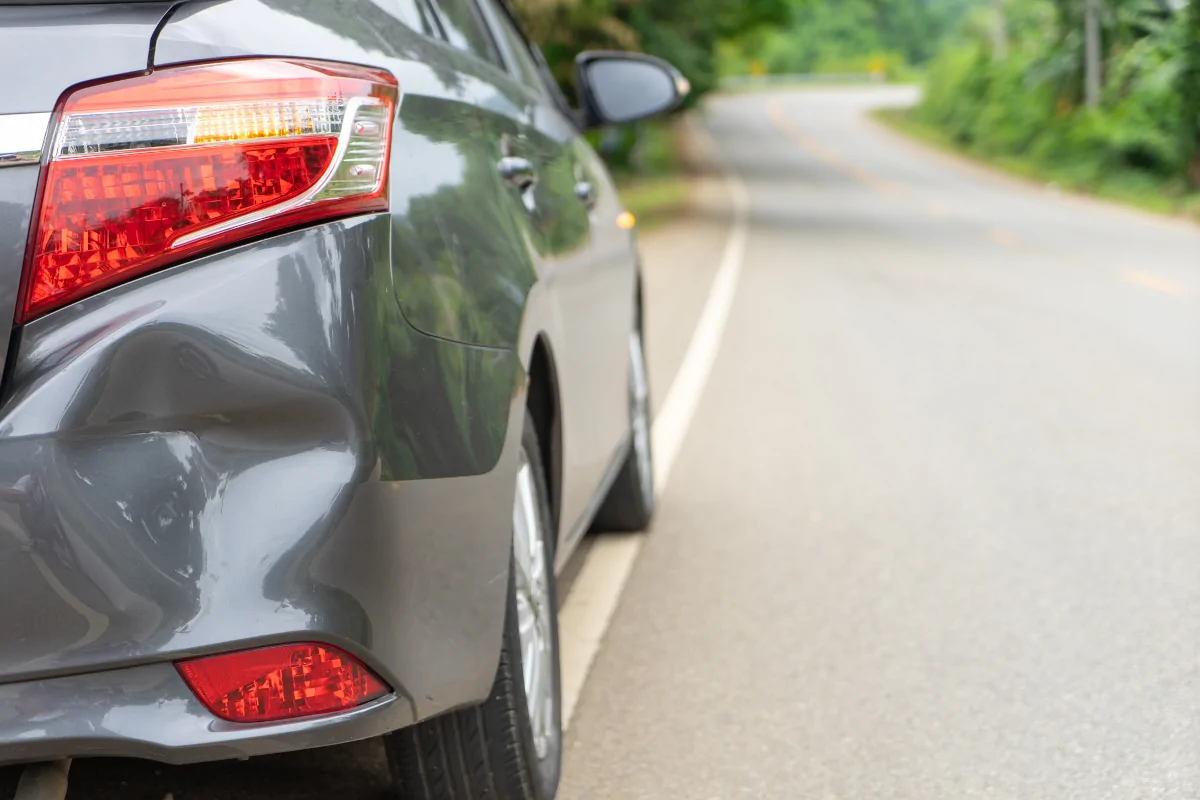
- Bumper damage is not always just cosmetic. A scuff or small dent may look minor, but hidden parts behind the bumper cover can still be cracked, bent, loose, or misaligned.
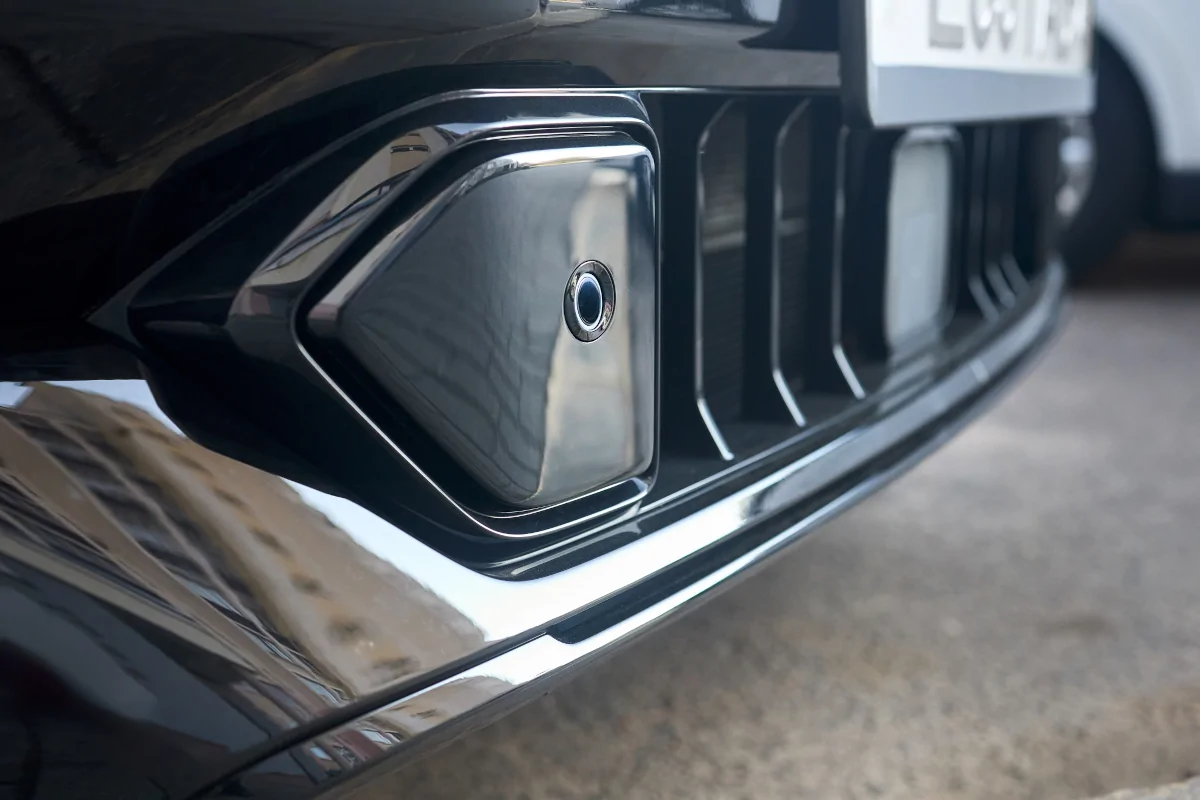
- Modern bumpers often contain important technology. Parking sensors, backup cameras, radar components, lights, and wiring can be affected by even a minor front or rear bumper impact.
- Cracks, gaps, and loose fitment are warning signs. If the bumper is cracked, sagging, sticking out, or no longer lining up with nearby panels, the damage should be inspected.
- Hidden bumper damage can affect safety and value. Damaged absorbers, brackets, reinforcement bars, or sensors may reduce protection, create repair issues, and lower resale confidence.
- A professional inspection helps you avoid guessing. Auto body technicians can look beyond the visible damage and determine whether the bumper needs cosmetic repair, deeper repair, or replacement.
A little bumper damage can be easy to brush off.
Maybe someone tapped your vehicle in a parking lot. Maybe you backed into a post. Maybe traffic stopped a little too fast, and another driver gave your rear bumper a “love tap” that was not nearly as gentle as it sounded. You get out, take a look, and the damage does not seem terrible. A scratch here. A small dent there. Maybe a crack in the plastic. The vehicle still drives fine, so it is tempting to think, “It’s probably just cosmetic.”
Sometimes, that is true.
But bumper damage can be tricky. The part you see on the outside is only one piece of a much larger system. Behind that painted bumper cover, there may be brackets, reinforcement bars, energy absorbers, sensors, wiring, cameras, and other components that help protect your vehicle and support modern safety features.
That means bumper damage is not always as simple as it looks. A small scuff may be nothing more than a paint repair. A cracked, loose, or misaligned bumper may be a sign that the impact affected parts you cannot see.
So how do you know when bumper damage is cosmetic and when it should be taken seriously? Let’s break it down.
What Your Bumper Actually Does
Most people use the word “bumper” to describe the painted plastic piece on the front or back of the vehicle. Technically, that visible part is usually the bumper cover.
The bumper cover is important, but it is not working alone. Depending on the vehicle, the full bumper system may include:
- A painted bumper cover
- Energy-absorbing foam or material behind the cover
- A metal reinforcement bar
- Mounting brackets, clips, and tabs
- Wiring, sensors, cameras, or radar components
- Lights, reflectors, or trim pieces
The bumper system is designed to help absorb and manage impact. It also supports the appearance and fit of the vehicle. On many newer vehicles, the bumper area may also house parking sensors, backup cameras, blind spot monitoring components, and other driver-assist technology.
That is why bumper damage deserves a closer look. The outer cover may flex, bend, or pop back into place after an impact, while the parts behind it may stay damaged.
In other words, the bumper cover can hide the story of the collision.
When Bumper Damage May Be Mostly Cosmetic
Not every scratch or scuff is a major problem. Some bumper damage really is mostly cosmetic, especially when the impact was light and limited to the surface.
Examples of cosmetic bumper damage may include:
- Light surface scratches
- Paint transfer from another vehicle or object
- Small scuffs from a parking lot scrape
- Shallow dents with no cracking
- Minor chips in the paint
- Damage that does not affect bumper alignment, lights, or sensors
For example, if another vehicle lightly rubs against your bumper and leaves paint transfer, the damage may be limited to the finish. In some cases, the area can be cleaned, polished, professionally repaired, and refinished without replacing major components.
However, even cosmetic damage can still be worth repairing. If the paint is scraped deeply enough, it may expose the surface underneath. Over time, damaged paint can spread, peel, or become more noticeable. A small cosmetic issue can also hurt the appearance of your vehicle, especially if you plan to sell it or trade it in.
The key is knowing the difference between a surface-level mark and damage that points to something deeper.
Signs Bumper Damage Could Be More Serious
Bumper damage should be inspected when there are signs that the impact affected more than just the paint or surface of the bumper cover.
Here are some warning signs to watch for.
The Bumper Is Cracked
A cracked bumper should not be ignored. Even if the crack looks small, it may spread over time due to vibration, temperature changes, road movement, or another minor impact.
A crack can also weaken the bumper cover. Once the material is split, it may not hold its shape or protect the underlying components the way it should. In some cases, a crack may also mean the impact was strong enough to damage the absorber, brackets, or reinforcement behind the cover.
A small scratch may be cosmetic. A crack is a stronger sign that the bumper needs professional attention.
The Bumper Looks Loose or Misaligned
If the bumper is sagging, sticking out, pushed in, or no longer lining up with the fender, trunk, hood, or lights, that is a red flag.
A loose or crooked bumper can mean that clips, brackets, or mounting tabs are broken. These small parts matter because they hold the bumper securely in place. If they are damaged, the bumper may shift while driving, rattle, scrape, or fail to fit correctly after a quick surface repair.
Misalignment can also suggest that the impact moved nearby panels or support pieces. Even if the bumper cover itself looks repairable, the vehicle may need additional work behind the scenes.
The Gaps Around the Bumper Have Changed
Vehicle panels are designed to fit together with consistent spacing. After an accident, look at the gaps around the bumper. Do they seem even? Does one side look tighter than the other? Is there a larger gap near the headlight, taillight, trunk, hood, or quarter panel?
Uneven gaps can point to hidden damage. Something may have shifted underneath, or the bumper may no longer be sitting correctly on its mounts.
This is especially important after a rear-end collision or front-end impact. A bumper can absorb the visible hit while the force travels into surrounding parts.
Lights or Sensors Are Not Working Correctly
Modern vehicles often have technology built into or around the bumper area. Depending on the model, your bumper may be connected to:
- Parking sensors
- Backup cameras
- Blind spot monitoring systems
- Radar sensors
- Fog lights
- Wiring harnesses
- Proximity sensors
- Cross-traffic alert systems
After bumper damage, pay attention to warning lights, sensor alerts, camera issues, or features that suddenly stop working correctly.
A parking sensor may look fine from the outside but be loose or misaligned behind the bumper. A camera may still turn on but show an odd angle. A radar sensor may be slightly shifted, which can affect how the system reads the road around you.
This is one reason minor collisions can become more complicated on newer vehicles. It is not just about fixing the plastic anymore. It is about making sure the systems connected to that area are working properly.
On newer vehicles, even minor collisions can affect ADAS systems, including sensors and cameras located near the bumper.
The Trunk, Hood, or Hatch Does Not Close Correctly
If your vehicle was hit in the rear and the trunk or hatch suddenly does not close the way it used to, the damage may be more than cosmetic. The same is true for front-end impacts that affect hood alignment.
A latch may be out of position. A panel may have shifted. The rear body panel, front support area, or surrounding structure may need to be inspected.
This does not automatically mean the vehicle has major damage, but it does mean the bumper impact may have affected nearby parts.
You Hear Rattling, Scraping, or Wind Noise
New sounds after an accident are worth paying attention to.
If you hear rattling, scraping, flapping, or wind noise near the bumper, something may be loose. It could be a broken clip, loose shield, damaged bracket, or a bumper cover that is no longer secured properly.
These issues can get worse with driving. A loose bumper or trim piece may continue to move, causing more damage to paint, panels, or attached components.
The Vehicle Feels Different While Driving
Bumper damage itself may not cause steering or alignment problems, but the impact that damaged the bumper might.
If the vehicle pulls, vibrates, feels uneven, or makes new noises after a collision, it should be checked. A front or rear impact can sometimes affect suspension, alignment, wheels, tires, or other components.
The important thing is not to assume everything is fine just because the bumper damage looks minor.
Front Bumper Damage vs. Rear Bumper Damage
Front and rear bumper damage can create different concerns because these areas protect and connect to different parts of the vehicle.
Front Bumper Damage
Front bumper damage may involve more than a scraped cover. The front of your vehicle includes important components such as headlights, the grille, radiator support, cooling parts, sensors, cameras, and other systems.
A front-end impact may affect:
- Headlights or fog lights
- Grille pieces
- Hood alignment
- Fender alignment
- Radiator support
- Cooling components
- Parking sensors
- Forward-facing cameras or radar
- Wiring behind the bumper
Even a low-speed front impact can push components out of place. If the bumper is cracked, misaligned, or pushed in, it is worth having the area inspected before assuming the damage stops at the surface.
Rear Bumper Damage
Rear bumper damage is common after parking lot accidents and rear-end collisions. It may look like a dent, crack, scrape, or loose bumper corner.
A rear impact may affect:
- Trunk or hatch alignment
- Taillights
- Backup sensors
- Backup camera systems
- Rear body panels
- Quarter panel alignment
- Exhaust clearance
- Rear reinforcement components
- Bumper mounting brackets
Rear bumper damage can be deceptive because the bumper cover may flex during impact and partially return to shape. The outside may not look terrible, but the absorber or reinforcement behind it may be damaged.
That is why rear-end damage should be inspected, especially if you notice uneven gaps, trunk issues, sensor problems, or new noises.
Why Hidden Damage Is Common Behind Bumpers
Bumpers are designed to absorb impact, and that is exactly why hidden damage can happen.
The outer bumper cover is often flexible. During a collision, it may bend inward and then pop back out. When that happens, the visible damage may look minor. But the parts behind the bumper may not bounce back the same way.
Hidden damage behind a bumper can include:
- Crushed energy absorber material
- Bent reinforcement bars
- Broken mounting tabs
- Damaged brackets
- Pinched or cut wiring
- Shifted sensors
- Loose lights or trim
- Misaligned panels
- Damage to nearby structural areas
This is why an estimate can sometimes change after a bumper is removed. The first inspection may show the visible damage. A more complete picture may only appear once the damaged bumper cover is taken off and the components underneath are visible.
That does not mean anyone is trying to make the repair more complicated. It means collision damage often hides in layers.
Can You Keep Driving with Bumper Damage?
Whether you can keep driving with bumper damage depends on the type and severity of the damage.
A light scuff or surface scratch may not affect drivability. But cracked, loose, dragging, misaligned, or sensor-related bumper damage should be inspected as soon as possible.
Driving with damaged bumper components may create issues such as:
- Loose parts coming off while driving
- More damage from vibration or movement
- Reduced protection in another impact
- Sensor or camera problems
- Worsening paint damage
- Trouble documenting damage for insurance
- Hidden alignment or structural concerns
The vehicle may still start, steer, and stop normally, but that does not always mean the damage is harmless. A professional inspection can help you understand whether the bumper damage is simply cosmetic or something that needs repair sooner rather than later.
Why Bumper Damage Should Be Inspected Before You Decide It Is Minor
A good auto body inspection looks beyond the visible scrape or dent.
When a shop inspects bumper damage, they may check:
- The bumper cover
- Paint damage
- Panel gaps and fitment
- Lights and reflectors
- Sensors and cameras
- Bumper brackets and clips
- Reinforcement components
- Nearby panels
- Trunk, hatch, or hood operation
- Signs of hidden collision damage
Sometimes the answer is good news. The damage may be minor and repairable. Other times, the inspection may reveal that the bumper needs replacement, the brackets are broken, or there is hidden damage behind the cover.
Either way, you are making a better decision with real information instead of a guess.
This is especially helpful if insurance is involved. Before deciding whether to file a claim, it helps to know what you are actually dealing with. A bumper that looks like a simple scuff may have hidden damage behind it, and that can change the conversation.
Repair or Replace? How Shops Decide What a Damaged Bumper Needs
One of the most common questions drivers have is whether a damaged bumper can be repaired or needs to be replaced.
The answer depends on several factors, including:
- The size of the damage
- Whether the bumper is cracked
- Whether the bumper is warped
- Whether mounting tabs are broken
- Whether sensors or brackets are affected
- The location of the damage
- The type of material
- Vehicle manufacturer repair guidelines
- Long-term durability and fit
A small scrape or shallow dent may be repairable. A large crack, torn mounting point, warped cover, or sensor-related issue may require replacement.
It is also important to remember that the cheapest-looking option is not always the best option. If a damaged bumper cannot be repaired properly, it may not fit correctly, hold up over time, or protect the vehicle the way it should.
A quality repair should restore more than appearance. It should restore fit, function, and confidence.
Insurance and Bumper Damage: Should You File a Claim?
Whether you should file an insurance claim for bumper damage depends on your situation. The amount of damage, your deductible, the cause of the accident, and your insurance policy all matter.
For very minor cosmetic damage, some drivers choose to pay out of pocket if the repair cost is close to or below their deductible. But hidden damage can change the total cost of repair. That is why it is smart to have the damage inspected before making a final decision.
A body shop can document the visible damage, look for hidden issues, and help you understand the repair needs. From there, you can review your options and speak with your insurance provider if needed.
This is not about rushing into a claim. It is about avoiding a decision based only on what the bumper looks like from the outside.
Bumper Damage and Vehicle Value
Bumper damage can also affect your vehicle’s resale or trade-in value.
Buyers, dealerships, and inspectors often notice visible bumper damage, mismatched paint, uneven gaps, cracks, or poor previous repairs. Even if the damage seems minor to you, it can raise questions about how the vehicle was cared for and whether deeper damage exists.
Unrepaired bumper damage may make a vehicle look neglected. Poorly repaired bumper damage can be just as concerning if the paint does not match, the bumper does not fit correctly, or sensors do not work properly.
Quality collision repair helps protect the vehicle’s appearance, function, and long-term value. It also gives future buyers more confidence that the damage was handled correctly.
When to Schedule a Bumper Damage Inspection
You should consider scheduling a bumper damage inspection if:
- The bumper is cracked
- The bumper is loose, sagging, or sticking out
- The bumper does not line up with nearby panels
- Paint is chipped, peeling, or split
- Lights, sensors, or cameras are not working correctly
- The trunk, hood, or hatch does not close properly
- You hear rattling, scraping, or wind noise
- The vehicle was hit in the front or rear
- The vehicle feels different while driving
- You are not sure whether the damage is cosmetic
You do not have to panic over every scratch. But you also should not ignore damage just because the vehicle still drives.
A quick inspection can give you clarity and help prevent a small problem from turning into a larger one.
Don’t Let a Small Bumper Hit Turn Into a Bigger Problem
Bumper damage can be simple. It can also be sneaky.
A light scuff may only need cosmetic repair. A cracked, loose, or misaligned bumper may point to hidden damage behind the cover. On newer vehicles, even a small bumper impact can affect sensors, cameras, wiring, or other systems that help your vehicle operate safely.
The best approach is simple: do not guess.
If your vehicle has bumper damage after a collision, parking lot accident, or rear-end impact, AutoBody by Fisher can inspect the damage, explain your repair options, and help you understand what needs to be done. Whether the repair is minor or more involved, getting the right information early can protect your vehicle’s appearance, safety, and value.
Frequently Asked Questions About Bumper Damage
Is bumper damage always serious?
No. Some bumper damage is mostly cosmetic, such as light scratches, scuffs, or paint transfer. However, cracks, loose fitment, uneven gaps, or sensor problems may point to deeper damage that should be inspected.
Can a bumper look fine but still have hidden damage?
Yes. Bumper covers can flex during an impact and return close to their original shape. Parts behind the bumper, such as absorbers, brackets, reinforcement bars, or sensors, may still be damaged.
Should I repair or replace a cracked bumper?
It depends on the size, location, and severity of the crack. Broken tabs, warped plastic, damaged brackets, or sensor issues may make replacement the better option.
Can bumper damage affect parking sensors or cameras?
Yes. Many modern vehicles have parking sensors, cameras, radar, or wiring located in or near the bumper. An impact can shift, loosen, or damage these components.
Is it safe to drive with bumper damage?
It depends on the damage. Light cosmetic marks may not affect safety, but cracked, loose, misaligned, or sensor-related bumper damage should be checked before assuming the vehicle is safe to drive.
For drivers looking for collision repair in Anna, TX, AutoBody by Fisher can inspect bumper damage, identify hidden issues, and explain the best repair options.