Paintless Dent Repair
PDR may remove qualifying dents without sanding, filler or repainting, helping preserve the vehicle’s original finish.
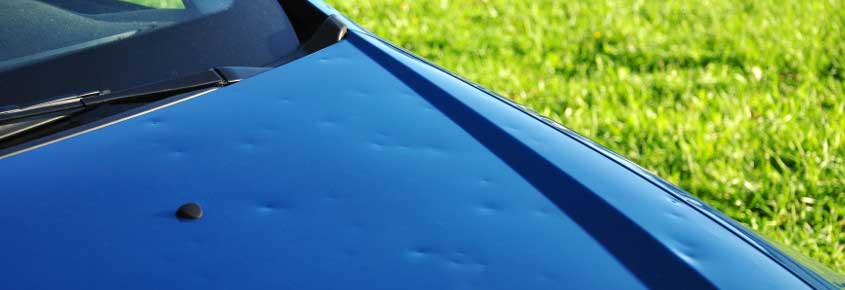
Hail can leave dozens of dents across the hood, roof, trunk and body panels. AutoBody by Fisher evaluates the full vehicle and recommends paintless dent repair or conventional body repair based on the condition of the metal, paint, glass and trim.
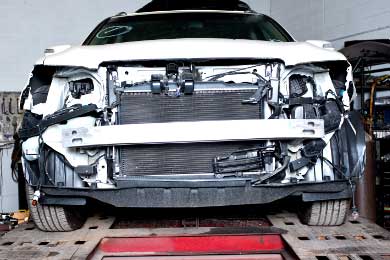
Some hail dents can be removed without repainting. Other damage requires conventional body repair, refinishing or replacement of damaged exterior components.
AutoBody by Fisher begins by examining the size, depth and location of the dents along with the condition of the factory paint. The inspection also looks for cracked paint, damaged body lines, stretched metal, broken glass and damaged trim.
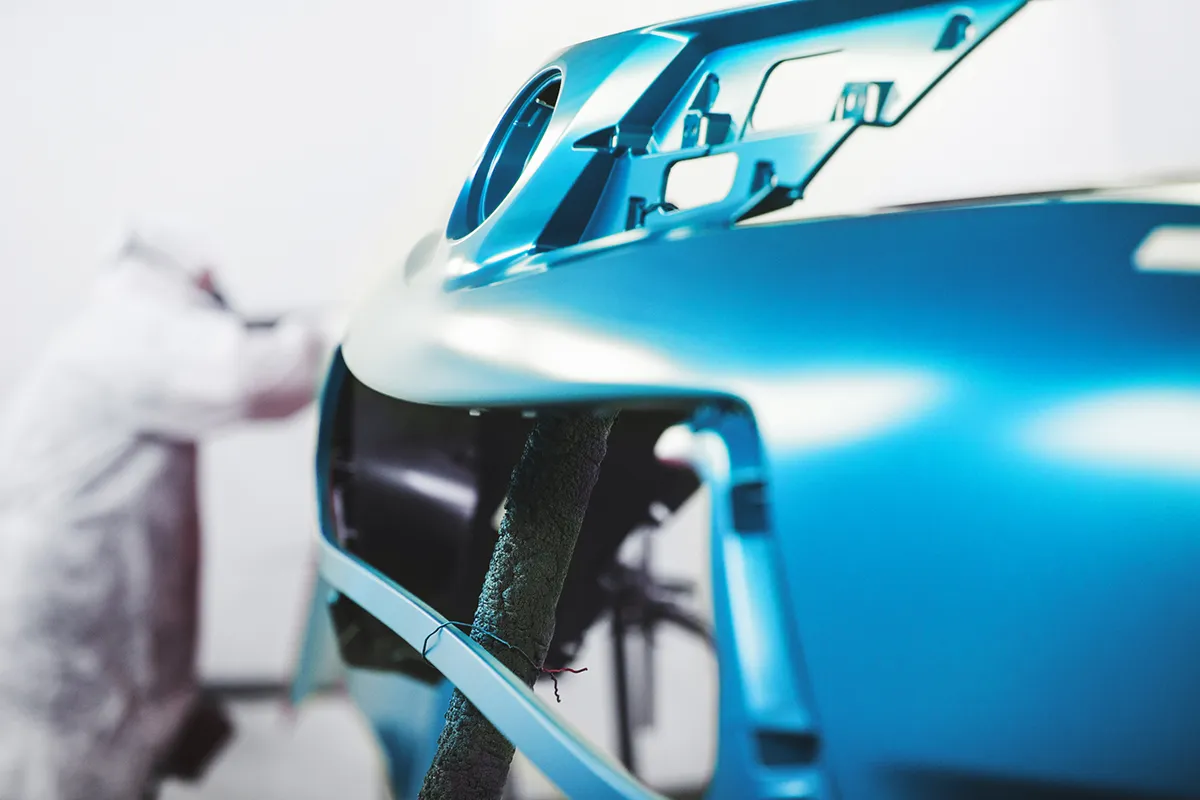
When the paint remains intact and the panel is a good candidate, paintless dent repair may restore the metal while preserving the original finish. When the damage is too severe for PDR, conventional auto body repair and refinishing may be necessary.
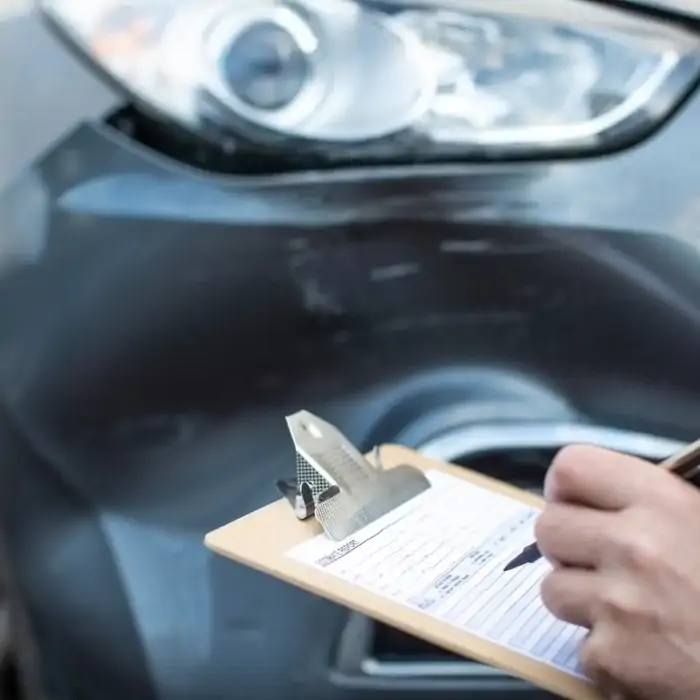
A hail-damaged vehicle may need one repair method or a combination of methods across different panels.
PDR may remove qualifying dents without sanding, filler or repainting, helping preserve the vehicle’s original finish.
Sharp dents, stretched metal, damaged edges or cracked paint may require bodywork and refinishing instead of PDR.
Hail can also damage windshields, back glass, lamps, moldings and trim that should be included in the repair evaluation.
Reflection lighting and a panel-by-panel inspection help identify dents that are easy to miss in normal outdoor lighting.
The shop can document visible damage and provide repair information for the claim process. Coverage remains subject to the policy and insurer.
The repaired panels and related exterior components are reviewed before the vehicle is returned.
The process starts with a complete inspection so every panel and repair method can be included in the plan.
Photograph the vehicle and note the date and location of the storm when that information is available.
The hood, roof, trunk, doors, fenders, glass and trim are checked for visible and less obvious damage.
Each damaged area is assigned to PDR, conventional repair, refinishing or component replacement as appropriate.
The repairs are completed and the vehicle is reviewed for remaining dents, finish quality and exterior details.
It is common for some panels to qualify for paintless dent repair while other areas require bodywork or refinishing.
A shallow dent on the hood may be a good PDR candidate, while a sharp impact on a body line may have stretched the metal. A roof panel may retain its paint, while the edge of another panel has chipped or cracked.
Evaluating each area separately avoids forcing the entire vehicle into a single repair method. The goal is to use PDR where it is appropriate and conventional repair where it is necessary.
A hail repair plan depends on the dents themselves, the condition of the paint and whether each panel is better suited to paintless dent repair or conventional bodywork.
Hail damage is commonly handled under comprehensive coverage, but the deductible, coverage and claim requirements depend on the individual policy. Contact the insurer to report the loss and confirm the required steps.
Take clear photos before repairs and avoid assuming that an initial outdoor inspection captured every dent. AutoBody by Fisher can inspect the vehicle and provide repair documentation, but the insurer determines coverage and payment under the policy.
You generally may choose the repair facility you prefer, although claim procedures and payment remain subject to the policy and insurer’s review.
Learn why preserving the original finish can make PDR useful after a storm.
See why damaged paint and neglected dents should be evaluated.
Review how PDR works and which dents may qualify for the process.
No. PDR works well for many hail dents when the paint remains intact and the metal has not been stretched too severely. Cracked paint, sharp dents, damaged edges and some previously repaired panels may require conventional body repair.
The vehicle is reviewed panel by panel, often with reflection lighting that makes shallow dents easier to see. The inspection should also include the glass, lamps, moldings and trim.
Timing depends on the number and severity of the dents, the panels involved, parts availability, whether paintwork is needed and the insurance process. A small PDR repair may be relatively quick, while extensive mixed damage can take longer.
Hail damage is often associated with comprehensive coverage, but coverage depends on the policy, deductible and claim determination. Confirm the requirements with the insurer and retain photos and repair documentation.
Not necessarily. Panels that qualify for PDR can often retain the original paint. Repainting may be necessary where the finish is cracked, chipped or otherwise damaged, or where conventional bodywork is required.
Yes. A severe storm can damage windshields, back glass, lamps, moldings and exterior trim in addition to denting body panels. Those items should be included in the inspection and repair plan.
Photograph the vehicle in good lighting, note the storm date and location, protect broken glass from additional weather exposure and contact the insurer if you plan to file a claim. Then arrange a professional damage inspection.
Yes. Photos can help begin the conversation, but shallow dents may be difficult to capture. An in-person inspection is often needed before the complete repair plan and cost can be determined.
Send photos through the online estimate form or call AutoBody by Fisher to arrange a complete inspection of the dents, paint, glass and trim.
Start a Hail Damage Estimate Call (903) 482-5171